Innovative 3D Printed Toys for Therapy Sessions
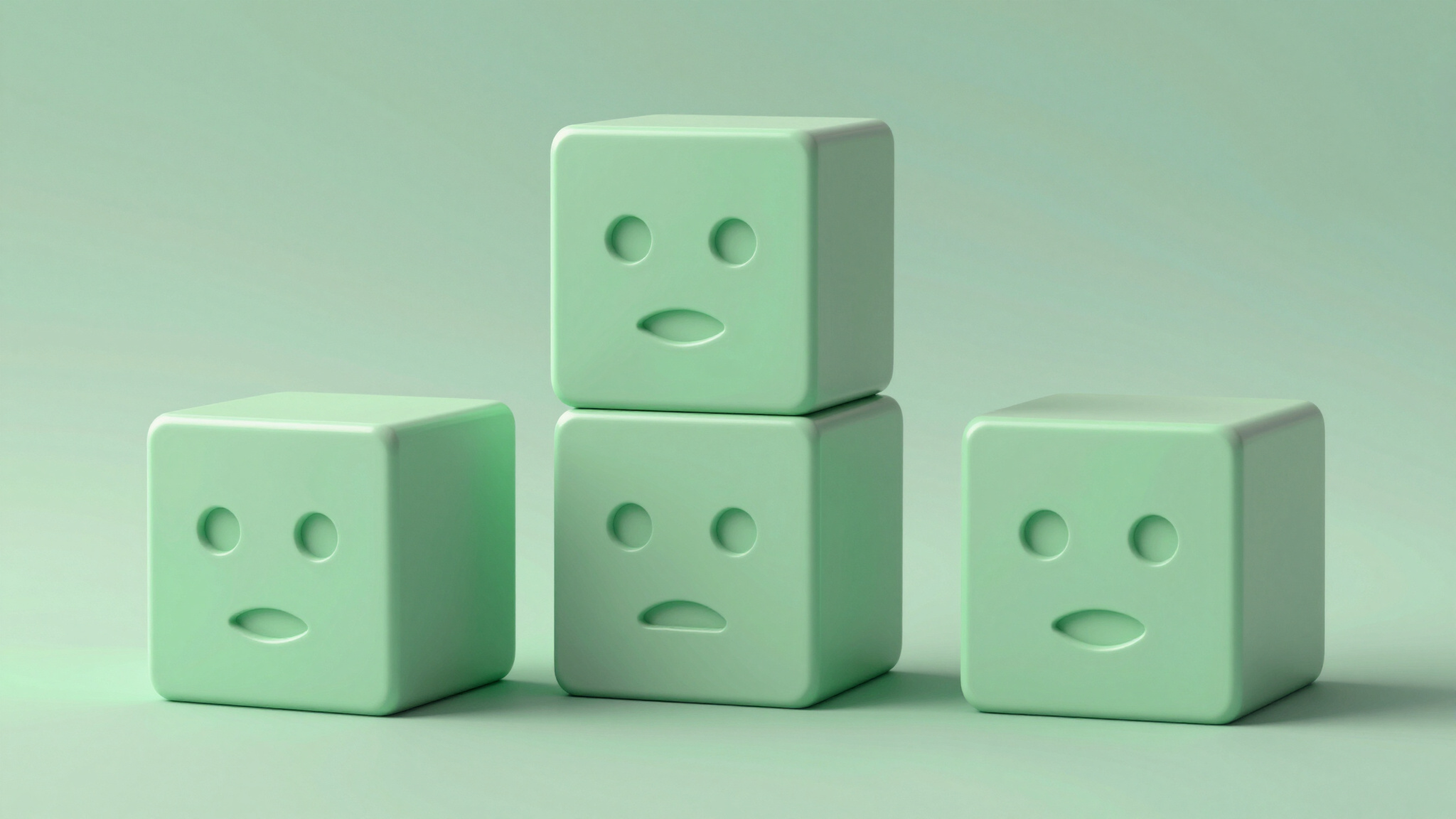
Therapy sessions can often feel daunting for children, but innovative approaches are changing the landscape of therapeutic practices. One such approach is the use of 3D printed toys, which are proving to be effective tools in therapy. These toys not only engage children but also serve specific therapeutic purposes, making them invaluable in various therapeutic settings.
Understanding the Role of Toys in Therapy
Toys have long been recognized as essential tools in child development and therapy. They provide a medium through which children can express their feelings, explore their environment, and develop social skills. In therapy, toys can help children:
Communicate: Many children find it easier to express their thoughts and feelings through play rather than verbal communication.
Explore Emotions: Toys can serve as a safe outlet for children to explore complex emotions and situations.
Develop Skills: Engaging with toys can help children develop fine motor skills, problem-solving abilities, and social interaction skills.
The Benefits of 3D Printed Toys
3D printing technology has revolutionized the way toys are designed and produced. Here are some key benefits of using 3D printed toys in therapy:
Customization: 3D printing allows for the creation of toys tailored to the specific needs of a child. For example, a child with sensory processing issues might benefit from toys that have different textures or weights.
Affordability: Traditional toy manufacturing can be expensive, but 3D printing reduces costs significantly, making it easier for therapists to access a variety of toys.
Rapid Prototyping: Therapists can quickly design and print new toys based on the evolving needs of their clients, allowing for a more dynamic therapeutic approach.

Examples of 3D Printed Toys for Therapy
1. Sensory Toys
Sensory toys are designed to stimulate the senses and can be particularly beneficial for children with sensory processing disorders. 3D printed sensory toys can include:
Fidget Spinners: These toys can help children focus and reduce anxiety during therapy sessions.
Textured Balls: Balls with various textures can provide tactile stimulation, helping children explore different sensations.
2. Social Skills Toys
Toys that encourage social interaction can be instrumental in helping children develop communication and social skills. Examples include:
Role-Playing Figures: Customizable figures can represent different emotions or scenarios, allowing children to act out social situations.
Board Games: 3D printed board games can be designed to promote teamwork and cooperation among children.
3. Educational Toys
Educational toys can enhance learning while providing therapeutic benefits. Some examples are:
Puzzle Toys: 3D printed puzzles can be tailored to a child's interests and skill level, promoting problem-solving and cognitive skills.
Building Blocks: Custom blocks can encourage creativity and fine motor skills while allowing children to express themselves through construction.
Implementing 3D Printed Toys in Therapy Sessions
Assessing Needs
Before introducing 3D printed toys into therapy sessions, it is crucial to assess the individual needs of each child. This assessment can include:
Understanding Interests: Knowing what types of toys a child enjoys can help in selecting the most effective toys for therapy.
Identifying Challenges: Recognizing specific challenges a child faces can guide the customization of toys to address those needs.
Collaborating with Designers
Therapists can collaborate with 3D designers to create toys that meet the unique needs of their clients. This collaboration can involve:
Feedback on Designs: Therapists can provide insights into what features would be most beneficial for their clients.
Iterative Prototyping: Working together to refine designs based on feedback ensures that the final product is effective and engaging.
Integrating Toys into Sessions
Once the toys are ready, therapists can integrate them into their sessions in various ways:
Play-Based Activities: Incorporating toys into play-based activities can make therapy feel less intimidating for children.
Structured Exercises: Using toys in structured exercises can help children practice specific skills in a fun and engaging way.
Case Studies: Success Stories
Case Study 1: Enhancing Communication Skills
A therapist working with a child diagnosed with autism found that traditional communication methods were challenging. By introducing 3D printed role-playing figures, the child was able to express emotions and practice social interactions in a safe environment. The customized figures represented various emotions, allowing the child to articulate feelings more effectively.
Case Study 2: Reducing Anxiety
In another case, a therapist used 3D printed fidget toys with a child experiencing anxiety. The tactile nature of the toys provided a calming effect, helping the child focus during sessions. The therapist noted a significant reduction in anxiety levels, allowing for more productive therapy sessions.
Challenges and Considerations
While the benefits of 3D printed toys in therapy are clear, there are also challenges to consider:
Durability: Depending on the material used, some 3D printed toys may not be as durable as traditional toys. It is essential to choose materials that can withstand regular use.
Safety: Ensuring that toys are safe for children is paramount. Therapists should consider non-toxic materials and avoid small parts that could pose a choking hazard.
Training: Therapists may require training to effectively integrate 3D printed toys into their practice. Understanding how to use these toys to meet therapeutic goals is crucial for success.
The Future of 3D Printed Toys in Therapy
As technology continues to advance, the potential for 3D printed toys in therapy is vast. Future developments may include:
Smart Toys: Integrating technology into 3D printed toys could enhance their therapeutic benefits. For example, toys that respond to a child's actions could provide immediate feedback and encouragement.
Community Collaboration: Therapists, designers, and parents can work together to create a library of 3D printed toys that cater to various therapeutic needs, fostering a sense of community and shared resources.
Conclusion
3D printed toys are transforming therapy sessions for children, offering customized, engaging, and effective tools for communication, skill development, and emotional exploration. By embracing this innovative approach, therapists can create a more dynamic and supportive environment for their young clients. As we look to the future, the possibilities for 3D printed toys in therapy are exciting, promising to enhance the therapeutic experience for children everywhere.
By integrating these toys into practice, therapists can not only improve outcomes but also make therapy a more enjoyable experience for children. The next step is to explore how you can incorporate 3D printed toys into your therapeutic practice and witness the positive impact they can have.


Comments