Enhance Play Therapy with Custom 3D Prints
Updated: Aug 5
Play therapy is a powerful tool in the realm of child psychology, offering a unique way for children to express their feelings and experiences. As therapists seek innovative methods to engage young clients, the integration of custom 3D prints into play therapy sessions is emerging as a transformative approach. This blog post will explore how custom 3D prints can enhance play therapy, providing practical examples and insights for therapists looking to enrich their practice.
Understanding Play Therapy
Play therapy is a therapeutic approach that uses play to help children communicate their feelings, thoughts, and experiences. It is particularly effective for children aged 3 to 12, as they often find it challenging to articulate their emotions verbally. Through play, children can express themselves in a safe environment, allowing therapists to gain insights into their inner worlds.
The Role of Toys in Play Therapy
Toys are essential in play therapy, serving as tools for children to project their feelings and experiences. Traditional toys, such as dolls, action figures, and art supplies, have long been used in therapy sessions. However, the introduction of custom 3D prints can take this practice to a new level.
The Benefits of Custom 3D Prints in Play Therapy
Custom 3D prints offer several advantages that can significantly enhance the effectiveness of play therapy:
Personalization
One of the most significant benefits of custom 3D prints is the ability to create personalized toys that resonate with individual children. For instance, a therapist can design a 3D-printed figure that represents a child's favorite character or a specific animal they feel connected to. This personalization can foster a deeper emotional connection during therapy sessions.
Enhanced Engagement
Children are naturally drawn to unique and visually appealing objects. Custom 3D prints can capture their attention and encourage them to engage more actively in therapy. For example, a child may be more inclined to share their feelings when playing with a 3D-printed dinosaur that they helped design.
Versatility
Custom 3D prints can be tailored to suit various therapeutic needs. Whether it's creating specific scenarios for role-playing or designing objects that represent a child's fears or aspirations, the versatility of 3D printing allows therapists to adapt their tools to meet the unique needs of each child.
Encouraging Creativity
The process of designing and creating custom 3D prints can also encourage creativity in children. Therapists can involve children in the design process, allowing them to express their ideas and preferences. This collaborative effort can enhance the therapeutic relationship and empower children to take an active role in their healing journey.
Practical Applications of Custom 3D Prints in Play Therapy
Creating Therapeutic Scenarios
Therapists can use custom 3D prints to create specific scenarios that reflect a child's experiences. For example, if a child is dealing with anxiety about starting school, a therapist could design a 3D-printed classroom scene. This allows the child to engage in role-play, helping them process their feelings and develop coping strategies.
Representing Emotions
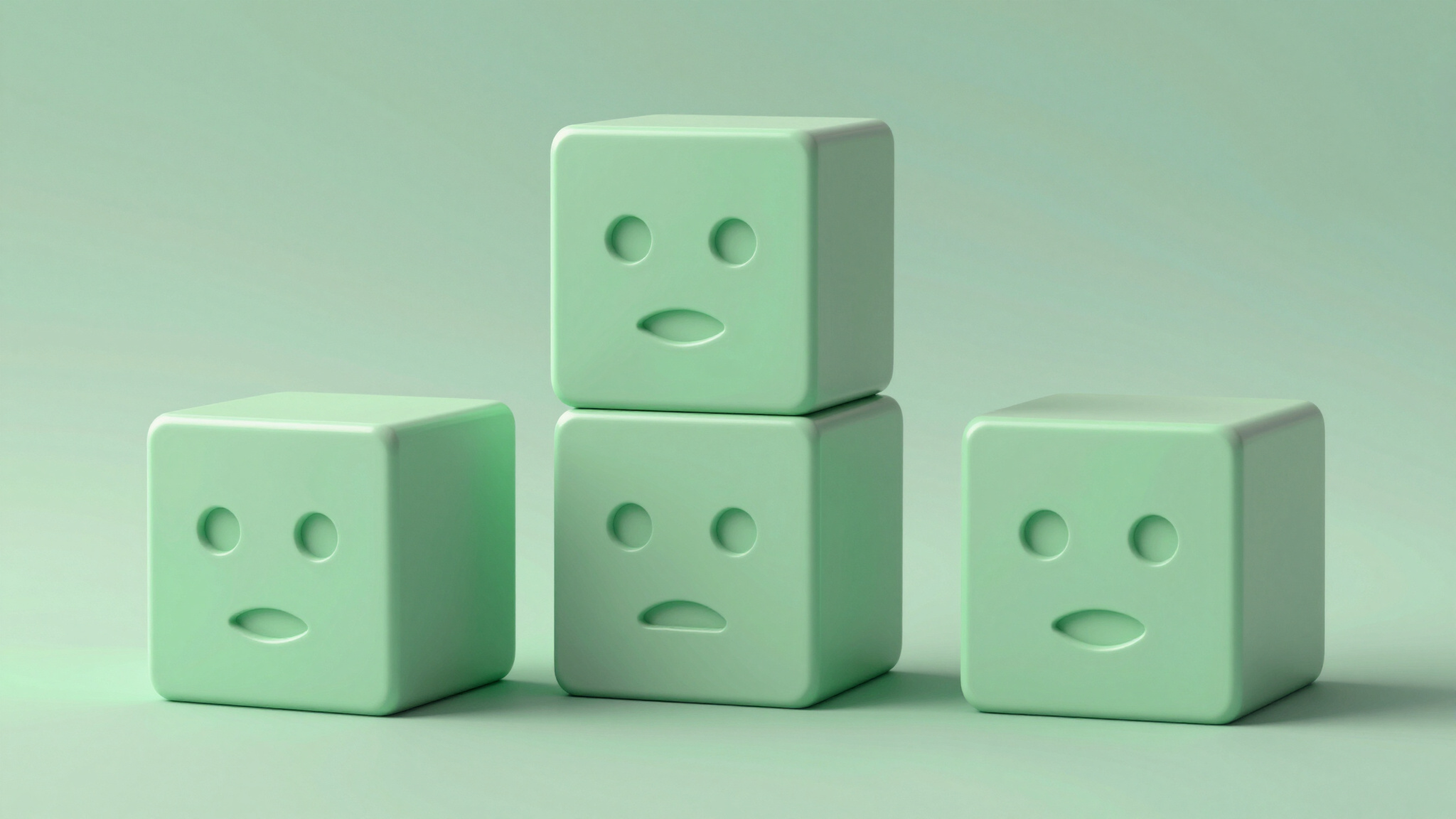
Custom 3D prints can also be used to represent different emotions. A therapist might create a series of 3D-printed faces that depict various emotional expressions. Children can then choose a face that represents how they feel, facilitating discussions about their emotions in a non-threatening way.
Building Confidence
Involving children in the creation of their own 3D prints can boost their confidence and self-esteem. For instance, a child could design a 3D-printed trophy that symbolizes their achievements or strengths. This tangible representation can serve as a powerful reminder of their capabilities, reinforcing positive self-image.
Addressing Fears
Custom 3D prints can be instrumental in helping children confront their fears. For example, if a child is afraid of the dark, a therapist could create a 3D-printed nightlight in the shape of a friendly creature. This object can serve as a comforting presence, helping the child feel more secure.
Case Studies: Success Stories with Custom 3D Prints
Case Study 1: Overcoming Social Anxiety
A therapist working with a 10-year-old boy struggling with social anxiety decided to incorporate custom 3D prints into their sessions. Together, they designed a 3D-printed superhero figure that represented bravery. The boy used this figure during role-playing exercises, gradually building his confidence in social situations. Over time, he reported feeling more comfortable interacting with peers, showcasing the positive impact of personalized 3D prints.
Case Study 2: Expressing Grief
In another instance, a therapist worked with a child who had recently lost a pet. To help the child process their grief, the therapist created a 3D-printed memorial figurine of the pet. This tangible object allowed the child to express their feelings and share memories during therapy sessions. The child found comfort in having a physical representation of their beloved pet, aiding in their healing process.
Implementing Custom 3D Prints in Your Practice
Getting Started with 3D Printing
If you're interested in incorporating custom 3D prints into your play therapy practice, here are some steps to get started:
Research 3D Printing Options: Familiarize yourself with different 3D printing technologies and materials. There are various printers available, ranging from affordable desktop models to professional-grade machines.
Learn Design Software: Invest time in learning 3D design software. Programs like Tinkercad and Blender are user-friendly and offer a range of tools for creating custom designs.
Engage with Children: Involve children in the design process. Encourage them to express their ideas and preferences, fostering a sense of ownership over the objects created.
Test and Iterate: Start with simple designs and gradually increase complexity as you become more comfortable with the technology. Gather feedback from children and adjust designs based on their responses.
Collaborate with Other Professionals: Consider collaborating with other therapists or educators who have experience with 3D printing. Sharing insights and resources can enhance your practice.
Challenges and Considerations
While the integration of custom 3D prints into play therapy offers numerous benefits, there are also challenges to consider:
Cost
Investing in 3D printing technology can be costly. It's essential to weigh the potential benefits against the financial investment required. Consider starting with a basic printer and gradually expanding your capabilities as you see positive outcomes.
Time Commitment
Creating custom 3D prints requires time and effort. Therapists must be willing to dedicate time to learn the technology and design process. However, the long-term benefits for children can make this investment worthwhile.
Safety and Appropriateness
When designing 3D prints, it's crucial to ensure that the materials used are safe for children. Additionally, therapists should consider the appropriateness of the designs for the therapeutic context.
Conclusion
Custom 3D prints have the potential to revolutionize play therapy, offering personalized, engaging, and versatile tools for therapists and children alike. By integrating these innovative resources into their practice, therapists can enhance the therapeutic experience, fostering deeper connections and facilitating emotional expression. As the field of play therapy continues to evolve, embracing technology like 3D printing can lead to more effective and meaningful interventions for children.

As you consider incorporating custom 3D prints into your practice, remember to focus on the unique needs of each child. By doing so, you can create a supportive environment that encourages healing and growth. Take the next step in your therapeutic journey and explore the possibilities that custom 3D prints can offer.


Comments